Showing posts with label grape/Pinot Noir. Show all posts

Sunday, March 28, 2010

Quick Sip: 2008 Sancerre Rosé, finding French pinot outside Bourgogne

Domaine André Neveu Sancerre Rosé (2008)
Domaine André Neveu
Pinot Noir
Sancerre, Loire Valley, France
Image borrowed from the 2007 vintage.
Another from our Loire tasting. This is the first time I've had Sancerre rosé, a region well known for it's crisp, grassy sauvignon blanc.

Wednesday, February 24, 2010

WBW #66: Your Tenderest Two-Some, Dessert & Wine

Argyle Brut Rosé (2007)
Argyle Winery
52% Pinot Meunier | 48% Pinot Noir
Dundee Hills, OR
So today is Wine Blogging Wednesday #66 which is being hosted by Jennifer Hamilton, The Domestic Goddess. Combining two of my favorite things, Jennifer has joined WBW with Sugar-High Friday for today's challenge. We were asked to come up with a dessert and wine pairing.

Desserts can sometimes be difficult to pair with wines, and I think many of us first just jump to sweeter wines. Rule of thumb there is to make sure your wine is as sweet of not sweeter than your dessert, otherwise it'll taste sour. Also keep in mind tangy/tart flavors vs. savory/milky ones in your desserts. Based on that (is it apple pie or chocolate mousse?) you'll want to pay attention to the wine's acidity.

Since I tend to gravitate towards more acidic wines, and away from overly-chocolate'd (I know, there's not supposed to be such a thing... just think, more chocolate for you!) desserts my thoughts got a little bubbly. Lucky for us, Argyle is less than 30 minutes from here!

Tuesday, February 2, 2010

Patz & Hall Twitter Taste Live: Pinot, Chard and Tofu!

Patz & Hall
Chardonnay & Pinot Noir
Sonoma Coast, California
Last night was the launch of the Patz & Hall Winery page on Twitter Taste Live. They divided the country in two and had bloggers on both coasts do a tasting of two of their soon to be released wines. I was really pleased to see how seamlessly the upgraded TTL is working, and we had an enjoyable time tasting the wines.

Thursday, January 28, 2010

Seven of Hearts - Part 3: "Estate Grown Pinot Noir" or "The Pinot Clone Wars"

In a late-coming third part conclusion (see part 1 and part 2) here are my final notes from our visit to the Seven of Hearts tasting room in Carlton. These last two wines are both estate-grown from Byron's Luminous Hills Vineyard in the Yamhill-Carlton District AVA. Pommard as well as clones 667, 777 and 115 are used...

Wait, wait, wait - what clones? Makes wine sound like some kind of science-fiction plot from Lucas Films, right? And just when you thought all you needed to know were some basic French (noir, blanc, gris) color words to get you through Pinot.

Friday, January 15, 2010

Seven of Hearts - Part 2: Exploring Burgundy & Pinot noir

Hopefully you enjoyed the first part of this series of posts on Seven of Hearts.

Today we'll explore four different Pinot noirs which we tasted in their Carlton tasting room with owner and wine maker Byron Dooley. As mentioned, Byron's focus is to create wines that reflect the old-world French styles of Pinot noir from Burgundy. So let's start by briefly exploring this famous French region.

First and foremost, I love maps, and this is a useful one showing most of Burgundy.


Saturday, January 9, 2010

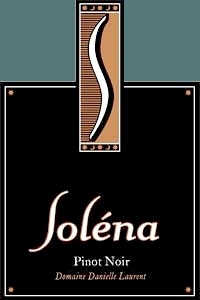
Quick Sip: 2006 Soléna Domaine Danielle Laurent Pinot Noir - the vineyard that began it all

Soléna Pinot Noir Domaine Danielle Laurent Vineyard (2006)
Soléna Estate
Pinot Noir
Yamhill-Carlton AVA, OR
The last Pinot Noir tasted at Soléna Estate's Grand Cru tasting room. The grapes are sourced from a special vineyard.

Thursday, December 31, 2009

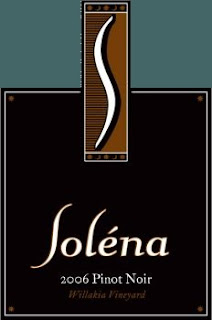
Quick-Sip: 2006 Soléna Willakia Pinot Noir - super fruity single vineyard

Soléna Pinot Noir Willakia Vineyard (2006)
Soléna Estate
Pinot Noir
Eola-Amity Hills AVA, OR
Our fifth Soléna wine, fourth Pinot Noir tasted at the Grand Cru tasting room.

Wednesday, December 30, 2009

Quick-Sip: 2006 Soléna Vista Hills Pinot Noir - premium vintage, single vineyard

Soléna Pinot Noir - Vista Hills Vineyard (2006)
Soléna Estate
Pinot Noir
Dundee Hills AVA
The fourth wine tasted at Soléna's Grand Cru tasting room. Moving to the 2006 vintage we start with another single vineyard Pinot.

Tuesday, December 29, 2009

Quick-Sip: 2007 Soléna Hyland Estate Pinot Noir - single vineyard complexity

Soléna Pinot Noir - Hyland Vineyard Estate (2007)
Soléna Estate
Pinot Noir
McMinnville AVA, OR
Third wine from Soléna Estates. This is another 2007 from a single estate.

Monday, December 28, 2009

Quick-Sip: 2007 Soléna Grand Cuvée Pinot Noir - fruity new world pinot

Soléna Pinot Noir Grand Cuvée (2007)
Soléna Estate
Pinot Noir
Willamette Valley, OR
The second of my reviews from Soléna Estate after a visit to their Grand Cru tasting room in Yamhill. This is one of the lower cost bottles of Pinot offered by Soléna, but certainly that shouldn't be taken to mean that it's lower quality.

Sunday, December 6, 2009

Visiting the Willamette Valley Vineyards Wine Center

So, "oe•no•phile HQ" has moved from the Midwest to the Pacific Northwest, and I'm excitedly getting to know my new home in McMinnville, OR (Mac for short). Arriving this past Thursday I was giddy to drive past many wineries and tasting rooms that I've been enjoying back in Ohio. Now living here I'll get to visit all of them and many others all the while tasting and writing about many new wines. I'm very excited for this adventure that will definitely help oe•no•phile to grow and help me in learning more about wines, new regions, and being a better taster/writer.

One of my first stops this weekend was to visit the newly opened Wine Center right here in downtown Mac, run by the folks at Willamette Valley Vineyards. The center is a tasting room of sorts for WVV but also so much more. In addition to their own wines, visitors can taste samples from other area wineries which change weekly. There is a small tasting fee, and the staff there is very knowledgeable and eager to help.

Tuesday, September 15, 2009

Quick-Sip: On not taking California Pinot for granted

Lucienne Pinot Noir (2006)
Lucienne Vineyards
Pinot Noir
Santa Lucia Highlands - Lone Oak Vineyard

Sunday, September 13, 2009

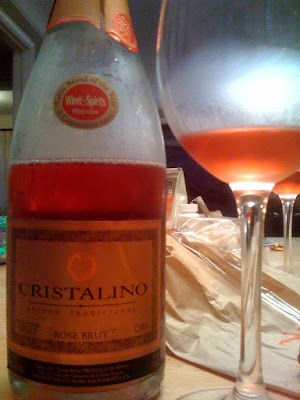
Quick-Sip: Think Pink, part 1

Cristalino Rosé Brut (NV)
Bodegas Juame Serra
Pinot Noir 60% | Trepat 40%
Cava (Costers del Segre or Conca de Barberá D.O.)

Friday, September 4, 2009

Quick-Sip: Spanish pink bubbles

Pinot Noir Brut (NV)
Codorníu
Pinot Noir
D.O. Cava

Wednesday, September 2, 2009

Quick-Sip: 3 French Grapes in 1 Aragòn Blend

Gran Vos Reserva (2005)
Viños del Vero
Cabernet Sauvignon | Merlot | Pinot Noir
D.O. Somontano

Thursday, June 18, 2009

Leading a revolution with a boisterous Pinot Noir

Mark West Pinot Noir (2007)
Mark West Winery
Pinot Noir
California
You would never guess by the unassuming bottle and its lack of pizazz that the people behind this Coastal Pinot Noir are planning a revolution. But more on that below, let's talk grapes and locations.

Pinot Noir is a red grape variety that is best known as the grape of Burgundy, France. These iconic French wines are often light in color with moderate acidity, and flavors ranging from cherry and strawberry to smoke and truffles. Prices can range widely from cheap, large sourced table wines to exclusive age-worthy, single vineyard bottles. Annually the Hospices de Beaune holds a charity auction that sets the price-level for many of the region's wines at the Hôtel-Dieu with its tiled roof and Flemish inspired architecture.

Thursday, May 7, 2009

Blue Fin special in aisle 2

Blue Fin California Chardonnay (2008)
Blue Fin Winery
Chardonnay
Napa, California
Today while picking up some lunch items at Trader Joe's, I decided to check out a couple of their current wine specials. The store, well-known for Two Buck Chuck - now faniced up under the Charles Shaw name and priced at $3.49 a bottle - commonly stocks new products at great prices which are only available for short periods. A current special are a couple wines from Blue Fin Winery, priced very reasonably at only $4.99 a bottle.

Both a Chardonnay and Pinot Noir were displayed, so I grabbed a bottle of each. Even if they weren't any good I figured I'd only be out $10 - not a bad deal. I chilled the Chard and had some dinner before sitting down to sample each. Here are my notes.
Appearance: Clear, pale, light golden yellow in color.

Nose: Clean, with youthful aromas. Just shy of medium intensity, fruit balanced well with oak. Yellow apple, lemon, melon, nectarine, and stone fruit. Buttery and biscuit notes soften the citrus.

Palate: Dry with medium acidity that sneaks up on the finish, peaking sharply, but then smoothing out. Very slight tannin from oak, medium alcohol, and slightly fuller than medium bodied. Flavors include citrus, pear, apple, and stone fruit. Smooth body and grapefruit and butter on the finish.
I am not a fan of California-style Chardonnays - I definitely prefer my whites to have little if no influence of oak, and to express more of their fruit.

I have to say though that the Blue Fin was quite enjoyable. The oak was definitely present, but was very nice balanced with the fruit characteristics. I was also surprised by the acidity that sneaks up on the back-end - surprised, but pleased. The body of the wine was full enough to pair well with food, but I'm perfectly happy sipping this wine on its own. Sure there might be other more interesting white grapes being made into wine, but you really can't replace a well-made Chardonnay.
Blue Fin California Pinot Noir (2008)
Blue Fin Winery
Chardonnay
Napa, Pinot Noir
Appearance: Clear and bright, not pale but very light - text is clearly visible. The color is intensely purple to ruby red.

Nose: Clean and youthful, but very muted. Fruit dominated - despite it's softness - with cranberry, cherry, strawberry, and raspberry. Very light hints of oak with some vanilla and spice.

Palate: Dry with moderate acidity. Light in body and tannin. Flavors are similar to the nose, and a little bland. Cedar, cherry, and apple. There is no presence of earth or intense fruit. Drinkable but not interesting.
Quite a disappointment after enjoying the Chardonnay. The simplicity of this bottle makes it palatable, but I don't really care for it. My marker for American Pinot Noir is always the presence of intense fruit. European PN (Burgundy in particular) is more characeristic of vegetal, mushroom, and earthy tones. I enjoy both, mood depending, but the Blue Fin sadly fell short.

Overall enjoying one of two wines at such low prices I don't see as such a bad thing. I would have loved having 2 for 2, but you can't have everything, right? Unfortunately there's not much information on Blue Fin available online - that Google seems to be able to uncover - so I don't have a website to check. I do believe that Trader Joe's carries a couple of their other wines - at very slightly higher prices. If there's a store near you I'd recommend checking any of them out. You might find a great deal!

Cheers!

Wednesday, February 25, 2009

Chilean Pinot Noir spices things up without being hot

Reserva Pinot Noir (2008)
Agustinos
Pinot Noir
Bío Bío, Chilé
Typically I turn to France or Oregon for Pinot Noir. Both are well known for distinctly different products, old and new world styles respectively. When I'm in the mood for "dirt and mushrooms" I lean towards Burgundy. When I'm looking for an uncomplicated burst of fruity cherry and strawberry I look to the Pacific Northwest. Both places offering so many different options in regards to producer, vintage, et cetera, I rarely find myself checking out Pinot from other places.

The wines produced in California - Carneros and Monterey come to mind - have always struck as being a little to "hot" or out of balance in regards to high alcohol. This presumably is an effect of all that glorious sunshine which produces riper grapes with higher sugar that yeast gobble up and convert to alcohol. So of course when presented with a Chilean Pinot Noir at my local Whole Foods I immediately presumed the same would be true - it's hot and sunny there, so it probably comes through in the wine as overpowering alcohol.

Well, as it were I fall prey to misconceived conclusions too sometimes - and I love being proven wrong. In hopes that this Pinot would do just that I took the bottle to the store's counter-centric Osteria eatery, ordered some dinner, and started tasting.
Appearance: Clear and incredibly pale, with a ruby red hue. Imagine coloring something with a crayon or colored pencil very lightly.

Nose: Clean and youthful with subtle aromas including cherry, spice, strawberry, and earth. Spiced aromas include cinnamon, cayenne, and paprika. Neither aroma grouping was overwhelming or pronounced, but the light fragrance is very pleasing.

Palate: Dry, medium body wine with slightly less than moderate tannin, acidity, and intensity. Nothing, including the alcohol, was out of balance with the other parts. Flavors include soft oak, strawberry and cherry, tart fruit, and a touch of mushroom.
This wine presented both earthiness and fruit on the nose and palate - more interestingly though it also boasted a new level of spice that I've not experienced in other Pinot Noir. Aside from not pouncing on you with high alcohol this wine offers a unique complexity, adding to the stand-by characteristics of the grape.

The wine was also great with everything I had for dinner. Oven roasted seasonal vegetables, pan-seared salmon, and some hard cured Piave cheese from Italy were all very well paired. The roasted carrots, mushrooms, and zucchini complimented the wines earthy notes while the touch of fat from the salmon was great with the soft acidity. The cheese was particularly good, balancing tart flavor and aromas with a perfect level of fruit and acidity from the glass.

If you enjoy Pinot Noir, but find yourself stuck between France and Oregon, try and get your next bottle from California or Chile. Even New Zealand has made quite a reputation for their complex, savory Pinots! Ask your wine sales person about what characterizes different brands and vintages, and you should easily find one you enjoy.

Cheers!

Sunday, December 28, 2008

Alsace: Blanc, Blanc, Rouge!

Blanc d'Alsace (2006)
Maison Kuentz Bas
60% Sylvaner | 15% Muscat | 15% Auxerrois | 10% Chasselas
Husseren-les-Chateaux, France

Crustacés (2007)
Dopff & Irion
Riesling
Riquewihr, France

Alsace Pinot Noir (2006)
Robert Klingenfus
Pinot Noir
Molsheim, France
Today's wines takes us to the heavily Germanic influenced region of Alsace in northeastern France. This area has changed hands between France and Germany a number of times throughout history, surely due to both wanting to claim the great wines produced there as their own! The only region in France that is permitted to use German grape varieties under the AOC system, Alsace is primarily known for white wine (90% of production) from aromatic varietals including Riesling and Gewürztraminer.

Alsace is considered to have a cooler climate and wine styles are influenced by two important geographical features: the Vosges mountain range and the Rhine River. With most of the vineyards planted on slopes between the two, the Vosges protect the vines from wind and also minimize rain fall while the Rhine encourages air flow and prevents rot from occurring. These factors result in dry sunny days which contribute to the concentrated characteristics displayed in many Alsatian wines, giving pronounced aromas and flavors and crisp, full acidity.
Blanc d'Alsace
Appearance: Clear white wine with medium color, somewhere between gold and straw. I wouldn't go so far as to call it "deep" in color, but it's almost there. Very distinct from lighter whites like Pinot Grigio.

Nose: Clean, developing in age, light oak, pronounced minerality, and unmistakable lemon or other citrus aromas. There is a slight smoky, almost greasy level to the nose - which isn't bad - and very soft pear at the top of the glass.

Palate: Holy cow! Huge acidity, mouth watering and it continues well into the finish. Dry wine with medium alcohol (12.5%), full body, and a long finish. Bursting citrus including lime or lemon but above all else grapefruit. Almost like grapefruit rind. A little oak and herbaceous characteristic, as well as the same minerality from the nose.
This was an interesting blend focused around some of the lesser known grapes found in Alsace. Sylvaner, Muscat, and Chasselas make up less than 15% of grapes grown and have declined in popularity over the years. Auxerrois is often grouped with Pinot Blanc because of their similarities and is considered to be a relative of the Chardonnay grape. Just on a whim I sampled this with some French goat cheese and it was killer. This is a definite food wine.
Crustacés
Appearance: Clear with a pale golden color. The wine shimmers brightly at the edge of the glass.

Nose: Clean and youthful with moderately intense aromas including lime, pear, apple, and tropical fruit. The nose for this wine is screaming Riesling - fresh green apple is the predominate aroma blending with some pineapple. The other aromas of pear, peach, and floral are all mostly at the top of the glass and much softer.

Palate: Zing again! Dry with moderate to high acidity - my eyes are watering a little here - full bodied wine with medium alcohol (12%) and a long finish. That granny smith continues to fight for the spotlight with an added level of lime. Acidity that has my mouth watering and cheeks twinging.
Producing mostly dry wines, Riesling in Alsace is held in the same high regard as those from Germany. Anyone who avoids Rieslings because of the undue presumption that they are all sweet definitely needs to get a bottle of this. Shrimp and steamed mussels with some lemon and lavender were wonderful paired with this.
Klingenfus Pinot Noir
Appearance: A clear, pale red wine. Color is bright and fresh looking - almost a cranberry red.

Nose: Clean with some development, moderate aromas. Lots of red fruits, including strawberry and crab apple, but mostly cherry. Very soft wafts of earthiness and a little dried fruit suggests the old-world origins and development that comes with aging.

Palate: Dry medium bodied wine with bright cranberry-esque acidity. Medium tannins noticeable on gums, medium alcohol (12.5%), with a lengthy finish. Surprisingly the first noticeable flavor was mushroom right at the front of my mouth - some of my favorite wines taste like fruit and dirt! Past this there was a lot of cranberry and cherry as with the nose. Also some hints of strawberry lingered on the finish.
The cherry flavors in this wine were more reminiscent of those tart yellow ones you can find. The combination of tart fruit and earthiness that this wine has really makes it a great example of an old-world style Pinot Noir. I enjoyed carrots and mushrooms seared in wine and butter and seasoned with French herbs with this.

Alsatian cuisine also has a strong German flair and is filled with things like pâtés and sauerkraut. Any of these wines would be an awesome accompaniment to any hearty meal as they all have enough body and acidity to stand up to bold flavors and textures. Think "concentrated" and you can't go wrong. Choosing a wine from Alsace is not as complicated as picking out a good Bordeaux given there are only a few classifications in the region. Look for any of the wines above, which are all reasonably priced (all less than $16), or ask for a recommendation and go from there.

Cheers!

Sunday, December 21, 2008

Sparkling wines for more than just holidays & special occasions

Recently I attended "Counter Culture: Fizz-tivity," a wine and food pairing dinner at my local Whole Foods Market. Every month these dinners are held at the Osteria, a free standing cafe within the specialty foods department which serves fresh prepared foods to customers at a long, curved counter - thus the event name. December was all about sparkling wines getting everyone well prepared for the holidays.

Sparkling wine is an interesting segment of the wine world. Many of us think of sparkling wine as something only for special occasions - anniversaries and New Years Eve. Unfortunately that means that everyone only gets to enjoy it twice, maybe three times a year. Isn't that just utterly disappointing? Luckily there are many different styles and types of sparkling wines to suit any occasion and this dinner was a perfect opportunity to explore them.

We started with a cheese course consisting of Robiola, a sheep and cow's milk soft cheese, served with dried currants, fresh raspberries, and almonds. Paired to this was a special beverage called Deus Brut de Flandres Cuvée Prestige 2006. Surprisingly not a wine at all, this was a specialty Belgian Ale which is unique in that it follows the Traditional method for making Champagne. This barley ale was a light straw color with aromas of ripened pear and honey. The pairing with the cheese board was great, and I can understand why they market this as "the Dom Perignon of beer." Check out the brewer's lively website here: Brewery Bosteels

After our cheese and Belgian/French ale we transitioned to a more Mediterranean course with Presto Prosecco Brut ($10.99) served with a zippy roasted tomato fondue. Prosecco is an Italian white variety and is used to make really fun sparkling wines. The Presto was gold in color and had fresh aromas including citrus, yellow apple, and pear. A dry wine with similar flavors it offered nice crisp acidity which simultaneously paired very well with the acid from the tomatoes and cleansed the creaminess of the cheese from my palate. For the price this is a great wine to serve to friends. It's mild-mannered and easy to drink - definitely a great everyday bubbly to consider.

Next up on to French Champagne with Nicolas Feuillatte Brut Extrem' ($39.99) paired with pan seared pierogies with spinach, fontal, and roasted pear. Sadly the first two bottles we opened were corked but the third was in much better quality. Nothing you can do, right? I'd say create a synthetic Champagne cork but the French would never go for it. Golden in color with aromas of citrus, cooked apple, almond, and a soft yeastiness. The best match from our dish with this Chardonnay was the poached pear, making a perfect compliment to the lemon and citrus flavors. This makes for a great sparkling wine to pair with food.

An American-made rosé accompanied the next course, Gruet Brut Rosé ($17.99) made by Gruet Winery in New Mexico. Clear and with a soft salmony pink, this wine boasted mostly red fruit aromas like raspberry and cranberry with softer fragrances of apple and grapefruit. As expected from the nose I wasn't disappointed by the crisp acidity from this wine. More of the red fruits and a soft citrus made this Chardonnay and Pinot Noir blend very refreshing. The paired dish offered grilled swordfish, winter greens, root vegetables, and a blood orange reduction. Very, very cool! This was probably the best pairing of the entire dinner.

Our fifth wine was another French Champagne from Bouzy, Jean Vesselle Oeil de Perdrix ($42.99). This was paired with chicken and boursin roulade, proscuitto, ratatouille crepe and reduced cream. The Oeil de Perdrix is a blanc de noir (white from black) Champagne made entirely from Pinot Noir grapes, so it has a very pleasant peach color. Aromas were concentrated around tart stone fruit (peach, apricot), apple, citrus and raspberry. It also had a distinct minerality, offering a nice sense of terroir. The rich ratatouille crepe and reduced cream stood up well to the crisp acidity, full body, and refreshing citrus on the palate. This was my second favorite pairing of the evening.

The final course of walnut encrusted lamb chops with green lentils, beet, and feta salad was paired by the intriguing Australian Shingleback Black Bubbles Sparkling Shiraz ($24.99). Deep purple ruby with very small bubbles made for one of the more interesting sparkling wines I've seen. The aromas were reminiscent of any other big Aussie Shiraz - black cherry, plum, licorice, and spice. Plum also dominated the palate and was a great match to the lamb and lentils. More rich flavors of chocolate and coffee lingered on the finish. For being named after an animal also known as a skink I always enjoy the wines Shingleback makes.

Completing our dinner we were served a decadent double chocolate cake with espresso mousse and cherry compote. What kind of sparkling wine would you possibly pair with this to make it better than it already is? Cinzano Brachetto D'Aqui DOCG ($19.99), a sweet sparkling wine from northern Italy. Made from the Brachetto grape - known also as Braquet in France - this wine is a bright pomegranate red in color and displayed aromas of cherry and strawberry, as well as honeyed and floral notes. All these followed through to the palate and made a remarkably good pairing with the chocolate, espresso, and cherry dessert.

This Counter Culture was a truly delightful experience and I was so pleased to be able to try so many different types of sparkling wines. In an unabashed plug for Whole Foods, if you're local and interested in coming to one of the dinners just call the store and ask for someone in the specialty department. Cost is usually about $45 and is entirely worth the amazing food and wine that is served - and is a great reason to have dinner cooked and served to you! A huge thank you to wine specialist Maggie Harrison and chef Eric Colby for making a great evening for all of us attending.

So when you go out to grab your bottle of bubbles to celebrate the beginning of 2009 check out some of the others sitting there on the shelf. Nothing needs to be expensive - just ask for a recommendation and you should be able to find some great sparkling wines for everyday enjoyment.

Cheers!