Summer is looming, and it's just a matter of weeks before this becomes our daily routine. With this all in mind I start thinking about quintessential summer beverages. For my purposes one thing comes to mind: gin and tonics.


Patz & Hall
Chardonnay & Pinot Noir
Sonoma Coast, California
 Last night was the launch of the Patz & Hall Winery page on Twitter Taste Live. They divided the country in two and had bloggers on both coasts do a tasting of two of their soon to be released wines. I was really pleased to see how seamlessly the upgraded TTL is working, and we had an enjoyable time tasting the wines.
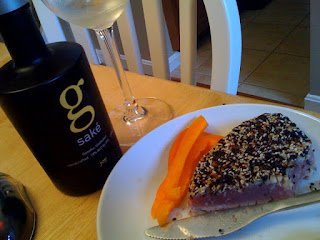
g saké - joy (NV)Taking part in my very first Wine Blogging Wednesday, our theme this week is saké! (Original announcement) While I've had a couple different sakés here and there, and been told a multitude of different things regarding their serving temperatures, I'm by no means at all knowledgeable. So if you're a saké virgin, then this will hopefully be somewhat enlightening ... if you're a saké master, then you'll be sure to let me know if I've spoken incorrectly.
SakéOne
Milled rice
American
.jpg) claims to be the only "American-owned" saké brewery. A brewery might make you think, "Wait ... that's not the place you make wine!" and you'd be right - saké is not technically wine. It is a Japanese alcoholic beverage made via the fermentation of rice. It is however commonly referred to as "rice wine" here in the States.
claims to be the only "American-owned" saké brewery. A brewery might make you think, "Wait ... that's not the place you make wine!" and you'd be right - saké is not technically wine. It is a Japanese alcoholic beverage made via the fermentation of rice. It is however commonly referred to as "rice wine" here in the States.Reserva Pinot Noir (2008)Typically I turn to France or Oregon for Pinot Noir. Both are well known for distinctly different products, old and new world styles respectively. When I'm in the mood for "dirt and mushrooms" I lean towards Burgundy. When I'm looking for an uncomplicated burst of fruity cherry and strawberry I look to the Pacific Northwest. Both places offering so many different options in regards to producer, vintage, et cetera, I rarely find myself checking out Pinot from other places.
Agustinos
Pinot Noir
Bío Bío, Chilé
Appearance: Clear and incredibly pale, with a ruby red hue. Imagine coloring something with a crayon or colored pencil very lightly.This wine presented both earthiness and fruit on the nose and palate - more interestingly though it also boasted a new level of spice that I've not experienced in other Pinot Noir. Aside from not pouncing on you with high alcohol this wine offers a unique complexity, adding to the stand-by characteristics of the grape.
Nose: Clean and youthful with subtle aromas including cherry, spice, strawberry, and earth. Spiced aromas include cinnamon, cayenne, and paprika. Neither aroma grouping was overwhelming or pronounced, but the light fragrance is very pleasing.
Palate: Dry, medium body wine with slightly less than moderate tannin, acidity, and intensity. Nothing, including the alcohol, was out of balance with the other parts. Flavors include soft oak, strawberry and cherry, tart fruit, and a touch of mushroom.
Schramsburg, Mariabelle Brut NV ($25.99)Pale golden yellow sparkling wine. Moderate aromas of apple, citrus, pear, and minerality. Dry, medium body with lively acidity and flavors of apple and lemon with full mousse. Great to pair with creamy cheeses, salty meats, and savory olive oil.
Proscuitto, arugula, pistachio, green apple & Laura Chenel chèvre
Stag's Leap Viognier 2006 ($26.99)Pale, golden, clear wine. Light, youthful aromas of citrus, apple, and floral. Dry with smooth acidity and soft flavors of oak and lime, slightly balmy. Bland light wine accentuated very well by bitter greens and vinaigrette.
Braised radicchio, morels & sea scallops with apple-bacon vinaigrette
St. Supéry Virtu, White Meritage ($29.99)Pale yellow wine. Moderately aromatic aromas of oak, yellow apple, and orange blossom. Dry, medium body, smooth acidity and flavor of oak, butter, and citrus. Characteristics bursting through when paired with lemon, herbs, and high acid fruits.
Thyme crusted cod, cranberry, bean & squash ragoût, rapini, preserved lemon aiolo
Domaine Chandon Pinot Meunier 2006 ($32.49)Pale garnet red wine - similar to Pinot Noir. Moderate, youthful aromas of cherry earth, strawberry, orange, and licorice. Dry with crisp, lively acidity, soft tannins, and flavors of cherry and currant. Balanced well with roasted foods and vegetables.
Poulet ballentine, sourdough, sage, currant & apple with caramelized brussel sprouts & pan jus
Kuleto Sangiovese 2004 ($32.49)Deep, ruby red wine. Developing, moderate aromas of mushroom, earth, herbs, oak, and dried fruit. Dry, full bodied wine with high acidity and medium tannin. Flavors of oak, black fruit, and game. Braised meats and root vegetables softened tannin and bolstered fruit.
Slow braised oxtail, root vegetable & pork belly hash, mushroom bordelaise
Robert Pecota Muscat Canelli 2005 ($19.99)Medium green-gold wine with noticeable viscosity. Fully aromatic with some age, peach, pear, straw, floral, honey, and olive characteristics. Sweet, medium bodied, with powerful flavors of apple, peach, pear, honey, and floral. Fantastic contrast to salty and tangy flavors of bleu cheese, and compliment to fruit.
Fromage trio: Cypress Grove Humboldt Fog and reduced grapes, walnut, honey; Pt. Reyes Blue and cardamom poached pear, moscato sauce; Vella Dry Jack and fig & marsala preserves
Sauvignon Blanc and ChèvreWith all these you could put together an entire meal of successful pairings, or try one or two out at your next party. Either way these are definitely enjoyable. Remember, regardless as to any rules it’s always important to drink what you prefer. If you love white wine and steak then have it, don’t limit yourself. With that said, here are some general tips to keep in mind when experimenting with your own pairings:
Starting your meal with a creamy goat cheese? A match made in heaven (read: France) is pouring a crisp, and citrusy Sauvignon Blanc with it. The saltiness and creaminess of the cheese is sliced with ease by the sharp acidity found in these wines that display characteristics of lemon and grapefruit. This refreshes the palate and leaves you yearning for that next bite.
Viognier and Citrus
Toss your salad with a zingy ginger and orange based dressing and it’ll be lend itself superbly to a glass of Viognier, with its pronounced floral aromas. The acidity in both the dressing and the wine will compliment one another and make eating your greens something you’ll look forward to.
Red Bordeaux and Pepper Rubbed Fillet
Everyone relies on “red with red, white with white” when pairing wines and meat. While I advocate concentrating more on body and flavors, a tried and true pairing is steak with red wine. In particular Bordeaux wines offering Cabernet Sauvignon and Merlot driven blends are full bodied, tannic, and bold enough to compliment a juicy, well seasoned cut of beef.
Gewürztraminer and Spicy Food
Whether your take-out is Thai, Mexican, or Szechuan any dish that boasts spicy heat can be successfully paired with a fruity and floral Gewürz. With just a hint of residual sugar, this wine will soften and soothe any tongue-searing you get after accidentally chomping down on that fiery Serrano.
Zinfandel and Dark Chocolate
For dessert don’t automatically turn to sweet wines–especially if dark chocolate is involved. A full bodied, dry Zinfandel offers a fruity contrast to the richness of chocolate. Flourless chocolate cake–one of those ones with “Death by…” in the name–seems even more luscious when savored with the jammy, brambly fruit found in many of these California reds.
Brachetto d’Aqui and Cheesecake
Leaning towards a sweeter wine for your after-dinner treat? Try a New York style cheesecake with this fruity Italian sparkler. The wine will compliment the rich creamy component of this dessert, and will help to cleanse your palate between bites. Top with some fresh berries for an even better match.
Port and Bleu Cheese
Port is commonly served after dinner, and can have a range from nutty to lusciously sweet characteristics. Not commonly do people think to serve cheese with a little Port after a meal, not to mention a pungent one like bleu cheese. Surprisingly though the dried fruit flavors, higher concentration of alcohol, and varying sweetness of Port pairs well with the saltiness and tangy flavors of many smelly cheeses. Port is great with chocolate, but try something new with a Danish bleu.
Sparkling Wine and Potato Chips
My friend Maggie is on a mission to get everyone drinking sparkling wine every day for any occasion. This may be the perfect excuse. Salty foods, like potato chips, are well fit with sparkling wines, especially those with more fruity characteristics or even a slight sweetness. Try Spanish Cava, German Sekt, or Italian Moscato d’Asti with these crispy snacks.
Blanc d'Alsace (2006)Today's wines takes us to the heavily Germanic influenced region of Alsace in northeastern France. This area has changed hands between France and Germany a number of times throughout history, surely due to both wanting to claim the great wines produced there as their own! The only region in France that is permitted to use German grape varieties under the AOC system, Alsace is primarily known for white wine (90% of production) from aromatic varietals including Riesling and Gewürztraminer.
Maison Kuentz Bas
60% Sylvaner | 15% Muscat | 15% Auxerrois | 10% Chasselas
Husseren-les-Chateaux, France
Crustacés (2007)
Dopff & Irion
Riesling
Riquewihr, France
Alsace Pinot Noir (2006)
Robert Klingenfus
Pinot Noir
Molsheim, France
Blanc d'AlsaceThis was an interesting blend focused around some of the lesser known grapes found in Alsace. Sylvaner, Muscat, and Chasselas make up less than 15% of grapes grown and have declined in popularity over the years. Auxerrois is often grouped with Pinot Blanc because of their similarities and is considered to be a relative of the Chardonnay grape. Just on a whim I sampled this with some French goat cheese and it was killer. This is a definite food wine.
Appearance: Clear white wine with medium color, somewhere between gold and straw. I wouldn't go so far as to call it "deep" in color, but it's almost there. Very distinct from lighter whites like Pinot Grigio.
Nose: Clean, developing in age, light oak, pronounced minerality, and unmistakable lemon or other citrus aromas. There is a slight smoky, almost greasy level to the nose - which isn't bad - and very soft pear at the top of the glass.
Palate: Holy cow! Huge acidity, mouth watering and it continues well into the finish. Dry wine with medium alcohol (12.5%), full body, and a long finish. Bursting citrus including lime or lemon but above all else grapefruit. Almost like grapefruit rind. A little oak and herbaceous characteristic, as well as the same minerality from the nose.
CrustacésProducing mostly dry wines, Riesling in Alsace is held in the same high regard as those from Germany. Anyone who avoids Rieslings because of the undue presumption that they are all sweet definitely needs to get a bottle of this. Shrimp and steamed mussels with some lemon and lavender were wonderful paired with this.
Appearance: Clear with a pale golden color. The wine shimmers brightly at the edge of the glass.
Nose: Clean and youthful with moderately intense aromas including lime, pear, apple, and tropical fruit. The nose for this wine is screaming Riesling - fresh green apple is the predominate aroma blending with some pineapple. The other aromas of pear, peach, and floral are all mostly at the top of the glass and much softer.
Palate: Zing again! Dry with moderate to high acidity - my eyes are watering a little here - full bodied wine with medium alcohol (12%) and a long finish. That granny smith continues to fight for the spotlight with an added level of lime. Acidity that has my mouth watering and cheeks twinging.
Klingenfus Pinot NoirThe cherry flavors in this wine were more reminiscent of those tart yellow ones you can find. The combination of tart fruit and earthiness that this wine has really makes it a great example of an old-world style Pinot Noir. I enjoyed carrots and mushrooms seared in wine and butter and seasoned with French herbs with this.
Appearance: A clear, pale red wine. Color is bright and fresh looking - almost a cranberry red.
Nose: Clean with some development, moderate aromas. Lots of red fruits, including strawberry and crab apple, but mostly cherry. Very soft wafts of earthiness and a little dried fruit suggests the old-world origins and development that comes with aging.
Palate: Dry medium bodied wine with bright cranberry-esque acidity. Medium tannins noticeable on gums, medium alcohol (12.5%), with a lengthy finish. Surprisingly the first noticeable flavor was mushroom right at the front of my mouth - some of my favorite wines taste like fruit and dirt! Past this there was a lot of cranberry and cherry as with the nose. Also some hints of strawberry lingered on the finish.

 Posts
All Comments
Posts
All Comments


