Showing posts with label country/France. Show all posts

Friday, May 21, 2010

Summer looms

Despite the wet spring we've had in the Willamette there have been a handful of absolutely gorgeous, warm, sunny days. We erected a fantastic backyard canopy on our deck that provides a beautiful space for us to enjoy dinner on those warm evenings. We've even fired up the grill and enjoyed some delicious smoky fare. Lynnette has a knack for making perfect grill marks on both her chicken and the tofu Amy and I enjoy. Vegetables have made a large appearance as well: spring potatoes, red and yellow bell pepper, asparagus, and an assortment of summer squashes.

Summer is looming, and it's just a matter of weeks before this becomes our daily routine. With this all in mind I start thinking about quintessential summer beverages. For my purposes one thing comes to mind: gin and tonics.


Wednesday, March 31, 2010

Quick Sip: 2007 Vouvray, floral but searing

Château Gaudrelle Vouvray, Sec (2007)
Château Gaudrelle
Chenin Blanc
Vouvray, Loire Valley, France
Chenin blanc
Another wine from our Loire Valley tasting. Vouvray is produced from the chenin blanc grape and can be dry to sweet. Always though you'll find a floral, "sweet" smelling nose. Like riesling, this grape can produces some truly deceiving wines.

Monday, March 29, 2010

Quick Sip: 2008 Sancerre, just so you know "cat pee" is appropriate here!

Domaine André Neveu Sancerre, Silex (2008)
Domaine André Neveu
Sauvignon Blanc
Sancerre, Loire Valley, France
Borrowed from 2007 vintage.
Now for the classic Sancerre—herbal, grassy, zingy, cat pee... Yes. This is totally acceptable as a wine aroma term. Though I'll tell you, people will give you funny looks. If you ever hear anyone say "elderberry" or "boxwood" what they really mean is "Wow - where's the Tidy Cats?!" Sauvignon blanc from this region can be pungent, but is completely delightful and refreshing. Classic pairing with chèvre.

Sunday, March 28, 2010

Quick Sip: 2008 Sancerre Rosé, finding French pinot outside Bourgogne

Domaine André Neveu Sancerre Rosé (2008)
Domaine André Neveu
Pinot Noir
Sancerre, Loire Valley, France
Image borrowed from the 2007 vintage.
Another from our Loire tasting. This is the first time I've had Sancerre rosé, a region well known for it's crisp, grassy sauvignon blanc.

Saturday, March 27, 2010

Quick Sip: 2008 Muscadet, every oyster's best friend

St. Vincent Cuvée, Sur Lie (2008)
Michel Delhommeau
Melon de Bourgogne
Muscadet-Sèvre et Maine, Loire Valley, France

The second wine from my Loire Valley tasting. These wines are excellent with oysters - and no wonder, Muscadet is right on the Atlantic!

Friday, March 26, 2010

Quick Sip: NV Crémant de la Loire - herbal yeasty goodness

Carte Turquoise Crémant de la Loire (NV)
Domaine des Baumard
Chenin Blanc & Cabernet Franc
Loire Valley, France

This is the first of a series of tasting notes from a Loire Valley focused tasting I took part in with some other industry folks recently. Enjoy!

Thursday, October 29, 2009

You say Syrah, I say Shiraz

First, to be clear, Syrah and Shiraz are the very same grape variety. So the actual issue at hand is the pronunciation of "Shiraz" - some say sh-RAHZ while others say sh-RAZZ. The second is correct, much to the chagrin of anyone that deems those hard "A" sounds are just due to my being from the Midwest. It's okay, I've got the entire nation of Australia to back me up.

The grape variety in question has disputed origination, however is notably grown in France's Rhône Valley regions. Here the grape is known as Syrah (see-RAH) and is responsible for the famous varietals of Hermitage as well as blended with other varieties in Châteauneuf-du-Pape and surrounding Côtes-du-Rhône appellations.

In 1832 vine clippings found their way from Europe to Australia given the help of James Busby, a Scottish immigrant to the land down under. Through whatever means the grape came to be called Shiraz (sh-RAZZ) and is now perhaps the most notable, and certainly the most widely planted grape in the country.

The major difference between the wines of Syrah and Shiraz is stylistic. Both wines are full bodied and display a wide range of fruit characteristics. Berries, black pepper, and spice are common in either style. In France, Syrah seems to have more of an earthy, sometimes leathery quality. Shiraz in Australia on the other hand is often fruit-driven with jammy, ripe berry flavors that can sometimes edge out the more subtle earthy notes.

Monday, July 13, 2009

un petit séjour à la cote d'azur

Sunday was another epically gorgeous summer day here in Cleveland. I really don't know what we've done to deserve such a great summer this year. Regardless, it was the perfect setting for a poolside wine tasting with a good number of the folks from Bonjour Cleveland!, the French language Meet-up group I run.

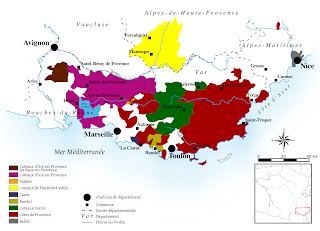
Exploring the wine regions of France since February, our glasses have traveled nearly everywhere - Burgundy, Bordeaux, Alsace, Champagne, and the Loire. This month the group chose to sample the wines of southern France including Provence, Languedoc, and Roussilon (often considered together with the Languedoc). Hosted by George at his lovely home in the village of Chagrin Falls (quel drôle nom, eh?) we were anything but chagrined by the gorgeous garden, the sunny skies, and the lovely wines of the Côte d'Azur. (Note- technically the Côte d'Azur runs from Italy just into the Provence region... but hey, it sounds nice!)


Monday, June 1, 2009

Mineral-driven white from gravely Graves

Clos du Hez Graves (2007)
Clos du Hez
50% Sauvignon Blanc | 50% Sémillon
Graves AC, Bordeaux, France

While the red wines of Bordeaux, located in south western France, are famed as some of the best wines in the world, the region also produces excellent quality white blends. Produced in small quantities throughout the larger wine region, the best known white blends come from Graves, the only sub-region with a classification for dry whites. Sauternes, a smaller region within Graves, is famous for the production of sweet dessert wines using grapes which have been affected by Botrytis cinera, or Noble Rot. Grapes found in both sweet and dry wines are limited to Sémillon, Sauvignon Blanc, and Muscadelle.

As might be implied by the region's name, the soil type is consistently gravely. Left behind from glacial movement along with a quartz deposits, the soil takes a particular effect on wines. The concept of terroir, or a sense of place, is strongly considered all over France. The concept allows that not just grape variety and vinification methods are responsible for the final wines. Indeed soil types, weather, and climate bear their own influences. This said, you can always count on a good dose of minerality in dry whites from Graves.
Appearance: Clear, pale golden yellow wine. The color of watered down ginger ale is best thought of with this wine.

Nose: Clean nose with moderate intensity, displaying qualities of green fruit, pear, apple, grapefruit, and tart stone fruit. Additionally there is a balanced level of mineral aromas including slate, granite, or wet chalk.

Palate: Dry wine with fresh acidity, not unlike lemon spritzer. Light to medium bodied, medium alcohol, and moderately intense flavors all balance themselves well. Citrus and mineral qualities are predominant. Grapefruit, lemon, and grassy notes. A long finish from the acidity leaves an enjoyable, fresh taste of nectarine.
This particular bottle is produced using fifty per cent Sémillon and fifty per cent Sauvignon Blanc. The former tends to produce bland, low acid wines that pair well with oak aging while the latter creates intensely aromatic high acid wines. Blending the two wines together allows for better balance of each grape, and a richer overall experience. The grassy, austere qualities of Sauvignon Blanc are tempered by Sémillon, while the opposite lends aroma, higher acid, tones down alcohol levels. Sémillon is popularly grown in both South Africa and Australia while Sauvignon Blanc is grown all over the world, notably in the Loire, New Zealand, and Chile.

Whenever I have Sauvignon Blanc I crave Chèvre - this goat cheese is a perfect compliment to the grassy, citrus characteristics, and would pair well with this wine in particular. This light bodied wine would be perfect on it's own, before a meal, or paired with a light dish. Stick to citrus flavors as well as things like artichokes or asparagus.

Whether you're familiar with Bordeaux reds or not, I'd highly recommend giving a few of the white wines a fair shot. They offer a lot of flavor and much like the Clos du Hez, can be found inexpensively. Style is almost completely dependent upon the per cent of each grape found in the blend, but more importantly don't disregard the idea of terroir. Compared to similar blends found in the U.S. and other new world locales, there will be similarity but a definite difference overall.

Cheers!

Wednesday, February 11, 2009

stop hating on rosés!

Les Jamelles Cinsault Rosé (2007)
Les Jamelles
Cinsault
Pays d'Oc, France
So Valentine's Day is this weekend, and like so many others I'm writing about rosés. Other than their pink color - gotten from letting the juice sit on the red skins very briefly - I don't really know what other relation or connection can be made to this holiday, but I do know one thing - I'm sick and tired of people trashing rosé! Now that might seem a little stand-offish, but seriously, these people need to knock it off. And apologies if you're one of them, but keep reading friends!

Let me say that I get the perception that some people have - "All rosés are sweet, and I don't like sweet wine." Thanks to Sutter Home, American minds have been tainted by gallons and gallons of White Zinfandel, and now anytime someone sees rosé that's their first thought. They clearly had a brilliant marketing team behind them to get that kind of product association, and if White Zin is all you drink then cheers to you too!

However, for any non-sweet drinkers, it's time to cut rosés some slack and belly up to the bar, so to speak. Oh, and just because it's pink doesn't mean it's a girly wine either - in fact this bottle of Cinsault might be one of the "manliest" pink wines I've had!
Appearance: A clear wine, pink in color near salmon. Pale in intensity.

Nose: Clean, with medium intensity, and youthful aromas. Apple, raspberry, cherry, and pomegranate dominate the nose. Some stony minerality, strawberry, and rose round things out.

Palate: A dry, medium bodied wine with zingy acidity - mouth watering and refreshing. Medium intensity flavors of red cherry, apple, raspberry, and soft oak. Very slight fruit tannins that only linger for a moment.
Being a high-yielding, thick-skinned grape that is drought resistant, Cinsault is a big performer in the South of France (southern Rhône, and Languedoc-Roussillon regions) and it has also found a home in Africa, Australia, and the US. Typically blended with other local varieties it is a deep red wine that boasts a lot of fruit, and smooths other harsher wines out.

It is also used to make some outstanding dry rosés, wines that southern France should best be known for. With crisp, refreshing acidity these wines are perfectly fit for seafood and warm weather. This bottle of Jamelles was the perfect fit for a mushroom and Gruyere pizza I got at Fire Food & Drink, a local favorite. The wine cut through the saltiness, and complimented the earthy mushrooms and sweet caramelized onions splendidly.

Historically rosés are meant to be dry - white Zin was a lucky mistake - and can range from light and easy to very complex wines. For the doubters out there I can also recommend rosés produced from Grenache, Sangiovese, and Syrah. Here are some of my favorites:
Barnard Griffin Rose Of Sangiovese (WA)
Trentadue Winery Grenache Rose, Monte Lago Vineyards (CA)
Tsantali Roditis (Greece)
Château Pavie Macquin Rosé (BDX, FR)
Hope this has inspired - or at least goaded - you to run out and find a rosé to try. Sure, I maintain not everyone is going to enjoy them, but don't write them off before you've tried them all!

Cheers!

Friday, January 23, 2009

perfect pairings: wine + food demystified

Wine is by far one of my favorite things ever. Food is definitely a close second! This means that I'm head over heels about trying wines and foods together to see what tastes good and what doesn't. Some pairings can be way off, but when you do find that perfect match it's sheer bliss. To try and alleviate some of the guess-work involved in wine and food pairing I did a bit of digging and asking around to get some ideas. Here's the best of the best.
Sauvignon Blanc and Chèvre
Starting your meal with a creamy goat cheese? A match made in heaven (read: France) is pouring a crisp, and citrusy Sauvignon Blanc with it. The saltiness and creaminess of the cheese is sliced with ease by the sharp acidity found in these wines that display characteristics of lemon and grapefruit. This refreshes the palate and leaves you yearning for that next bite.

Viognier and Citrus
Toss your salad with a zingy ginger and orange based dressing and it’ll be lend itself superbly to a glass of Viognier, with its pronounced floral aromas. The acidity in both the dressing and the wine will compliment one another and make eating your greens something you’ll look forward to.

Red Bordeaux and Pepper Rubbed Fillet

Everyone relies on “red with red, white with white” when pairing wines and meat. While I advocate concentrating more on body and flavors, a tried and true pairing is steak with red wine. In particular Bordeaux wines offering Cabernet Sauvignon and Merlot driven blends are full bodied, tannic, and bold enough to compliment a juicy, well seasoned cut of beef.

Gewürztraminer and Spicy Food
Whether your take-out is Thai, Mexican, or Szechuan any dish that boasts spicy heat can be successfully paired with a fruity and floral Gewürz. With just a hint of residual sugar, this wine will soften and soothe any tongue-searing you get after accidentally chomping down on that fiery Serrano.

Zinfandel and Dark Chocolate
For dessert don’t automatically turn to sweet wines–especially if dark chocolate is involved. A full bodied, dry Zinfandel offers a fruity contrast to the richness of chocolate. Flourless chocolate cake–one of those ones with “Death by…” in the name–seems even more luscious when savored with the jammy, brambly fruit found in many of these California reds.

Brachetto d’Aqui and Cheesecake
Leaning towards a sweeter wine for your after-dinner treat? Try a New York style cheesecake with this fruity Italian sparkler. The wine will compliment the rich creamy component of this dessert, and will help to cleanse your palate between bites. Top with some fresh berries for an even better match.

Port and Bleu Cheese
Port is commonly served after dinner, and can have a range from nutty to lusciously sweet characteristics. Not commonly do people think to serve cheese with a little Port after a meal, not to mention a pungent one like bleu cheese. Surprisingly though the dried fruit flavors, higher concentration of alcohol, and varying sweetness of Port pairs well with the saltiness and tangy flavors of many smelly cheeses. Port is great with chocolate, but try something new with a Danish bleu.

Sparkling Wine and Potato Chips
My friend Maggie is on a mission to get everyone drinking sparkling wine every day for any occasion. This may be the perfect excuse. Salty foods, like potato chips, are well fit with sparkling wines, especially those with more fruity characteristics or even a slight sweetness. Try Spanish Cava, German Sekt, or Italian Moscato d’Asti with these crispy snacks.
With all these you could put together an entire meal of successful pairings, or try one or two out at your next party. Either way these are definitely enjoyable. Remember, regardless as to any rules it’s always important to drink what you prefer. If you love white wine and steak then have it, don’t limit yourself. With that said, here are some general tips to keep in mind when experimenting with your own pairings:
  • Pair high acid wines with high acid foods
  • Make sure the sweetness of your wine is higher than the sweetness of desserts
  • Pair sweet wines with spicy foods
  • High tannin is best matched with higher fat or high protein dishes or bitter foods
  • Wines with high acid are refreshing with saltier foods
  • Don’t pair spiciness with higher alcohol wines
  • Consider the “weight” of the food and match a similar wine
Cheers!

Sunday, December 28, 2008

Alsace: Blanc, Blanc, Rouge!

Blanc d'Alsace (2006)
Maison Kuentz Bas
60% Sylvaner | 15% Muscat | 15% Auxerrois | 10% Chasselas
Husseren-les-Chateaux, France

Crustacés (2007)
Dopff & Irion
Riesling
Riquewihr, France

Alsace Pinot Noir (2006)
Robert Klingenfus
Pinot Noir
Molsheim, France
Today's wines takes us to the heavily Germanic influenced region of Alsace in northeastern France. This area has changed hands between France and Germany a number of times throughout history, surely due to both wanting to claim the great wines produced there as their own! The only region in France that is permitted to use German grape varieties under the AOC system, Alsace is primarily known for white wine (90% of production) from aromatic varietals including Riesling and Gewürztraminer.

Alsace is considered to have a cooler climate and wine styles are influenced by two important geographical features: the Vosges mountain range and the Rhine River. With most of the vineyards planted on slopes between the two, the Vosges protect the vines from wind and also minimize rain fall while the Rhine encourages air flow and prevents rot from occurring. These factors result in dry sunny days which contribute to the concentrated characteristics displayed in many Alsatian wines, giving pronounced aromas and flavors and crisp, full acidity.
Blanc d'Alsace
Appearance: Clear white wine with medium color, somewhere between gold and straw. I wouldn't go so far as to call it "deep" in color, but it's almost there. Very distinct from lighter whites like Pinot Grigio.

Nose: Clean, developing in age, light oak, pronounced minerality, and unmistakable lemon or other citrus aromas. There is a slight smoky, almost greasy level to the nose - which isn't bad - and very soft pear at the top of the glass.

Palate: Holy cow! Huge acidity, mouth watering and it continues well into the finish. Dry wine with medium alcohol (12.5%), full body, and a long finish. Bursting citrus including lime or lemon but above all else grapefruit. Almost like grapefruit rind. A little oak and herbaceous characteristic, as well as the same minerality from the nose.
This was an interesting blend focused around some of the lesser known grapes found in Alsace. Sylvaner, Muscat, and Chasselas make up less than 15% of grapes grown and have declined in popularity over the years. Auxerrois is often grouped with Pinot Blanc because of their similarities and is considered to be a relative of the Chardonnay grape. Just on a whim I sampled this with some French goat cheese and it was killer. This is a definite food wine.
Crustacés
Appearance: Clear with a pale golden color. The wine shimmers brightly at the edge of the glass.

Nose: Clean and youthful with moderately intense aromas including lime, pear, apple, and tropical fruit. The nose for this wine is screaming Riesling - fresh green apple is the predominate aroma blending with some pineapple. The other aromas of pear, peach, and floral are all mostly at the top of the glass and much softer.

Palate: Zing again! Dry with moderate to high acidity - my eyes are watering a little here - full bodied wine with medium alcohol (12%) and a long finish. That granny smith continues to fight for the spotlight with an added level of lime. Acidity that has my mouth watering and cheeks twinging.
Producing mostly dry wines, Riesling in Alsace is held in the same high regard as those from Germany. Anyone who avoids Rieslings because of the undue presumption that they are all sweet definitely needs to get a bottle of this. Shrimp and steamed mussels with some lemon and lavender were wonderful paired with this.
Klingenfus Pinot Noir
Appearance: A clear, pale red wine. Color is bright and fresh looking - almost a cranberry red.

Nose: Clean with some development, moderate aromas. Lots of red fruits, including strawberry and crab apple, but mostly cherry. Very soft wafts of earthiness and a little dried fruit suggests the old-world origins and development that comes with aging.

Palate: Dry medium bodied wine with bright cranberry-esque acidity. Medium tannins noticeable on gums, medium alcohol (12.5%), with a lengthy finish. Surprisingly the first noticeable flavor was mushroom right at the front of my mouth - some of my favorite wines taste like fruit and dirt! Past this there was a lot of cranberry and cherry as with the nose. Also some hints of strawberry lingered on the finish.
The cherry flavors in this wine were more reminiscent of those tart yellow ones you can find. The combination of tart fruit and earthiness that this wine has really makes it a great example of an old-world style Pinot Noir. I enjoyed carrots and mushrooms seared in wine and butter and seasoned with French herbs with this.

Alsatian cuisine also has a strong German flair and is filled with things like pâtés and sauerkraut. Any of these wines would be an awesome accompaniment to any hearty meal as they all have enough body and acidity to stand up to bold flavors and textures. Think "concentrated" and you can't go wrong. Choosing a wine from Alsace is not as complicated as picking out a good Bordeaux given there are only a few classifications in the region. Look for any of the wines above, which are all reasonably priced (all less than $16), or ask for a recommendation and go from there.

Cheers!

Sunday, December 21, 2008

Sparkling wines for more than just holidays & special occasions

Recently I attended "Counter Culture: Fizz-tivity," a wine and food pairing dinner at my local Whole Foods Market. Every month these dinners are held at the Osteria, a free standing cafe within the specialty foods department which serves fresh prepared foods to customers at a long, curved counter - thus the event name. December was all about sparkling wines getting everyone well prepared for the holidays.

Sparkling wine is an interesting segment of the wine world. Many of us think of sparkling wine as something only for special occasions - anniversaries and New Years Eve. Unfortunately that means that everyone only gets to enjoy it twice, maybe three times a year. Isn't that just utterly disappointing? Luckily there are many different styles and types of sparkling wines to suit any occasion and this dinner was a perfect opportunity to explore them.

We started with a cheese course consisting of Robiola, a sheep and cow's milk soft cheese, served with dried currants, fresh raspberries, and almonds. Paired to this was a special beverage called Deus Brut de Flandres Cuvée Prestige 2006. Surprisingly not a wine at all, this was a specialty Belgian Ale which is unique in that it follows the Traditional method for making Champagne. This barley ale was a light straw color with aromas of ripened pear and honey. The pairing with the cheese board was great, and I can understand why they market this as "the Dom Perignon of beer." Check out the brewer's lively website here: Brewery Bosteels

After our cheese and Belgian/French ale we transitioned to a more Mediterranean course with Presto Prosecco Brut ($10.99) served with a zippy roasted tomato fondue. Prosecco is an Italian white variety and is used to make really fun sparkling wines. The Presto was gold in color and had fresh aromas including citrus, yellow apple, and pear. A dry wine with similar flavors it offered nice crisp acidity which simultaneously paired very well with the acid from the tomatoes and cleansed the creaminess of the cheese from my palate. For the price this is a great wine to serve to friends. It's mild-mannered and easy to drink - definitely a great everyday bubbly to consider.

Next up on to French Champagne with Nicolas Feuillatte Brut Extrem' ($39.99) paired with pan seared pierogies with spinach, fontal, and roasted pear. Sadly the first two bottles we opened were corked but the third was in much better quality. Nothing you can do, right? I'd say create a synthetic Champagne cork but the French would never go for it. Golden in color with aromas of citrus, cooked apple, almond, and a soft yeastiness. The best match from our dish with this Chardonnay was the poached pear, making a perfect compliment to the lemon and citrus flavors. This makes for a great sparkling wine to pair with food.

An American-made rosé accompanied the next course, Gruet Brut Rosé ($17.99) made by Gruet Winery in New Mexico. Clear and with a soft salmony pink, this wine boasted mostly red fruit aromas like raspberry and cranberry with softer fragrances of apple and grapefruit. As expected from the nose I wasn't disappointed by the crisp acidity from this wine. More of the red fruits and a soft citrus made this Chardonnay and Pinot Noir blend very refreshing. The paired dish offered grilled swordfish, winter greens, root vegetables, and a blood orange reduction. Very, very cool! This was probably the best pairing of the entire dinner.

Our fifth wine was another French Champagne from Bouzy, Jean Vesselle Oeil de Perdrix ($42.99). This was paired with chicken and boursin roulade, proscuitto, ratatouille crepe and reduced cream. The Oeil de Perdrix is a blanc de noir (white from black) Champagne made entirely from Pinot Noir grapes, so it has a very pleasant peach color. Aromas were concentrated around tart stone fruit (peach, apricot), apple, citrus and raspberry. It also had a distinct minerality, offering a nice sense of terroir. The rich ratatouille crepe and reduced cream stood up well to the crisp acidity, full body, and refreshing citrus on the palate. This was my second favorite pairing of the evening.

The final course of walnut encrusted lamb chops with green lentils, beet, and feta salad was paired by the intriguing Australian Shingleback Black Bubbles Sparkling Shiraz ($24.99). Deep purple ruby with very small bubbles made for one of the more interesting sparkling wines I've seen. The aromas were reminiscent of any other big Aussie Shiraz - black cherry, plum, licorice, and spice. Plum also dominated the palate and was a great match to the lamb and lentils. More rich flavors of chocolate and coffee lingered on the finish. For being named after an animal also known as a skink I always enjoy the wines Shingleback makes.

Completing our dinner we were served a decadent double chocolate cake with espresso mousse and cherry compote. What kind of sparkling wine would you possibly pair with this to make it better than it already is? Cinzano Brachetto D'Aqui DOCG ($19.99), a sweet sparkling wine from northern Italy. Made from the Brachetto grape - known also as Braquet in France - this wine is a bright pomegranate red in color and displayed aromas of cherry and strawberry, as well as honeyed and floral notes. All these followed through to the palate and made a remarkably good pairing with the chocolate, espresso, and cherry dessert.

This Counter Culture was a truly delightful experience and I was so pleased to be able to try so many different types of sparkling wines. In an unabashed plug for Whole Foods, if you're local and interested in coming to one of the dinners just call the store and ask for someone in the specialty department. Cost is usually about $45 and is entirely worth the amazing food and wine that is served - and is a great reason to have dinner cooked and served to you! A huge thank you to wine specialist Maggie Harrison and chef Eric Colby for making a great evening for all of us attending.

So when you go out to grab your bottle of bubbles to celebrate the beginning of 2009 check out some of the others sitting there on the shelf. Nothing needs to be expensive - just ask for a recommendation and you should be able to find some great sparkling wines for everyday enjoyment.

Cheers!

Wednesday, November 19, 2008

Better Beaujolais for your buck

Louis Jadot Beaujolais-Villages (2007)
Maison Louis Jadot
Gamay
Burgundy, France
From the southern most region of Burgundy, Gamay wines are perfectly paired with most holiday dinners. Softer in body and not as earthy as Burgundian Pinot Noir, fruit-driven, and softer than California Cabernet they make a perfect match to many lighter bodied food.
Appearance: Clear red wine, medium intensity, ruby to brick in color. Text is legible through this wine.

Nose: Clean nose, medium intense aromas. Initial floral and red-cherry aromas followed by soft earth tones, red fruit, and rose. Other fruit including plum and strawberry.

Palate: A dry wine of medium characteristics, soft tannins, and refreshing, cranberry acidity. Predominant flavors of strawberry and raspberry followed by black pepper and mushroom.
If the Valdiguié was a good pairing with turkey, this will be even better. A step up from your Beaujolais-Nouveau, you'll get a better wine for your money by checking out some of the Villages produced bottles. Georges du Boeuf is another favorite at a reasonable price.

Carbonic maceration gives these wines a soft but fruity characteristic, leaving behind much of the harsh tannin. Also best served with a slight chill, this bottle cost around $12.

Cheers!